Mushroom coffee used to be a niche ritual for biohackers and herbalists. Now it sits next to oat milk lattes and canned cold brew, from boutique roasters to headshops that used to stock only glass and grinders. The flood of options is good, but it also hides a lot of fluff. Labels stretch the truth, some blends taste like a forest floor, and a few brands quietly spike cans with more caffeine than a double espresso. If you want clarity without the jitters and a routine you’ll actually stick with, you need to shop with a practitioner’s eye.
I spend a lot of time in and around headshops, cafés, and supplement counters evaluating what moves, what’s repeat-bought, and what gets quietly pulled from shelves after customer complaints. This guide is the version I wish more people read before dropping 40 to 70 dollars on a pretty tin. We’ll cover what mushroom coffee can realistically do, what the better blends look like on paper and in the cup, and how to match a formula to your goals, schedule, and stomach.
What mushroom coffee is really for
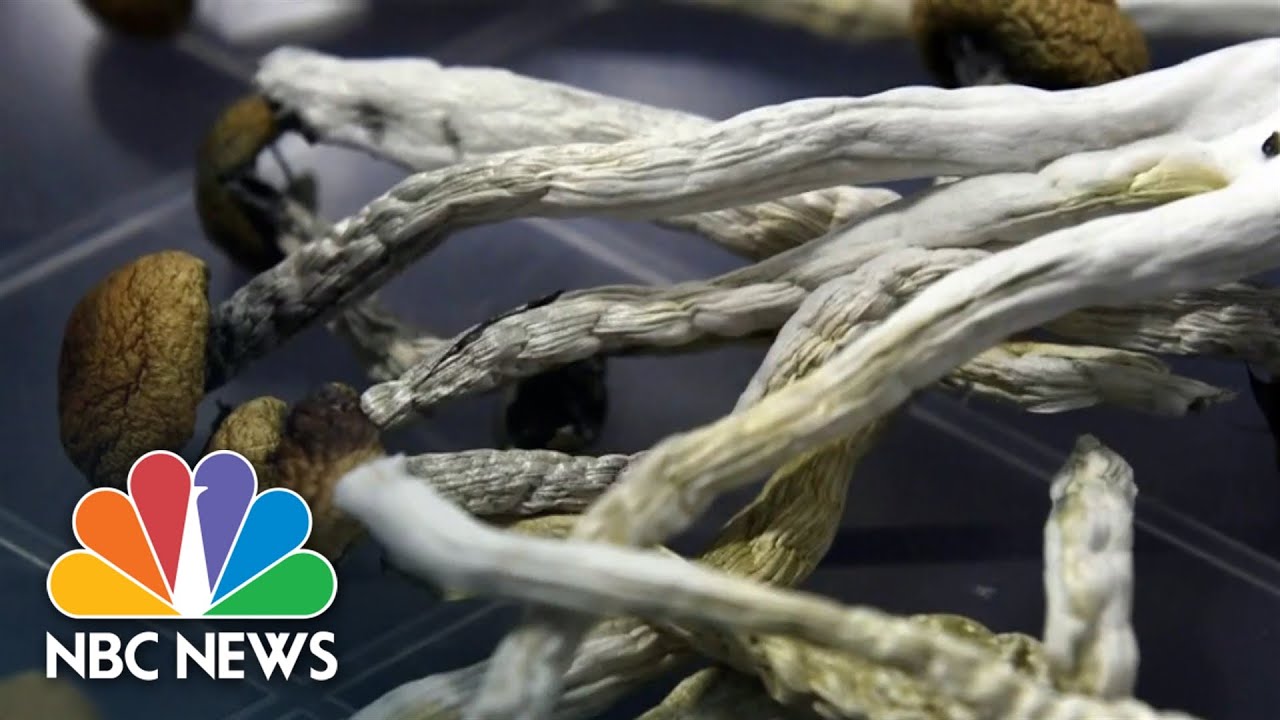
Most people come in wanting two things: smoother energy and less afternoon punishment. Good mushroom coffee delivers a more even arc of alertness, often with fewer jitters, because you’re pairing coffee’s caffeine with mushroom extracts that support stress response or focus. The mushrooms here are functional varieties like lion’s mane, cordyceps, chaga, and reishi, not psychedelic species. No trips, no visuals. Just adaptogens and nootropics that act more like seatbelts than nitrous.
You’ll still feel it, and that is the point. But the feel depends on the formula. Lion’s mane tends to sharpen attention. Cordyceps feels like a clean wind at your back during workouts or long days. Reishi takes the edge off, often better at night. Chaga often supports gut comfort and a steadier immune baseline, which matters if coffee usually bothers you.
The label test I use at the shelf
Here’s where people get burned. A tin says “with lion’s mane” and costs like a premium single origin, but the actual active dose per serving is a cameo. You want standardized extracts in meaningful amounts, not fairy dusting. When I glance at a label, I look for four tells. If you can confirm most of these in a headshop aisle, you’re already ahead of 80 percent of buyers.
- Extract type and ratio. Look for “fruiting body extract” with a ratio like 8:1 or 10:1, or a hot-water extract listing beta‑glucans. Fruiting body beats mycelium-on-grain for potency at the same weight. If a brand uses mycelium, I want them to list beta‑glucan content. Stated active dose per serving. As a rule of thumb, 500 to 1,000 mg per mushroom extract is where most people feel it. Many blends sit at 100 to 300 mg and rely on marketing. Caffeine amount, not just “half-caf.” Good brands print milligrams. For a smoother morning cup, 40 to 80 mg caffeine is a sensible range. For a true pick-me-up, 80 to 120 mg works. If you see “proprietary energy blend” without numbers, walk. Third-party testing or QR to COA. A quick QR code to a certificate of analysis builds trust. It takes ten seconds and removes guesswork about heavy metals and mycotoxins.
If a brand won’t say “fruiting body,” won’t state caffeine, and only lists “mushroom blend 500 mg” across five species, that’s 100 mg apiece at best. You’ll taste mushrooms, but you may not feel them.
Which mushrooms do what, in practical terms
You don’t need a textbook, but it helps to know the “verbs” of each mushroom. Not folklore, just the effects you notice as a consumer.
- Lion’s mane: Focus, task switching, word recall. Useful during desk work, studying, editing, coding. Extracts labeled “fruiting body, hot-water extract, 20 to 30 percent beta‑glucans” are the ones that show up for most people at 500 to 1,000 mg. Cordyceps: Endurance and breath. Not stimulating like caffeine, more like lighter legs on stairs and steadier pace. Popular before training or long retail shifts. 500 to 1,000 mg is the practical range. Chaga: Gut-calmer and morning-friendly. If coffee normally upsets your stomach, blends with 500 mg chaga often land softer. Also common in cold-weather immune blends. Reishi: Downshift, not a daytime rocket. In a morning coffee, 200 to 400 mg reishi can take the edge off stress. At night, reishi teas go higher. In coffee, go light if you’re already low-energy in the mornings. Turkey tail: More immune support than immediate “feel.” In a daily blend, it’s a steady background player.
Mushroom stacks for common goals tend to look like this: lion’s mane plus chaga for focused mornings, lion’s mane plus cordyceps for training days, reishi plus chaga for afternoon or decaf rituals.
Caffeine strategy, not dogma
A lot of headshop shoppers come in after a caffeine crash or sleep spiral. The right mushroom coffee can help reset. Here’s the practical wrinkle: the best formula for you depends on your current caffeine budget, work hours, and sensitivity.
If you’re sensitive or sleep is fragile, shop for 30 to 60 mg caffeine, sometimes from tea or a gentle roast. Expect alertness without a heart race. If you’re replacing a full coffee at 7 a.m., 80 to 120 mg is reasonable, provided you cut the second cup or switch to decaf by early afternoon. If you want a post-lunch bridge, keep it under 50 mg. Your sleep will thank you.
Watch out for canned “functional coffees” that quietly run 150 to 200 mg per can, then stack guarana or green tea extract on top. These can feel great at first and then sandbag your sleep. If the numbers aren’t printed, ask, or choose a brand that respects disclosure.
Powder, instant, grounds, or canned?
Different formats solve different problems. The “best” often comes down to when and where you drink it.
Instant packets are reliable at the office, on the road, or at a festival. Hot water, stir, done. They tend to hit faster, taste more uniform, and include tighter dosing. Expect a slightly thinner body unless they include microground coffee.
Ground coffee blends feel and taste like a normal brew. If you already love pour-over or French press rituals, this keeps you there. The mushroom extracts survive brew temps just fine. The trade-off is consistency. It’s harder to ensure you get the labeled dose in each cup unless the brand blends well and you measure carefully.
Canned or bottled options are convenience kings. They carry a premium and sometimes add sweeteners. They’re easiest to overdo on caffeine, especially if the can feels small but hides a strong charge.
Loose powder “latte” blends mix with hot water or milk alternatives. Creamier textures, sometimes added MCTs or collagen, and stronger flavors to mask mushroom notes. Great when coffee upsets your stomach. Some skip coffee entirely, which is fine as long as the brand is honest about caffeine content.
Taste and the reality of “earthy”
You can make a clean formula that still tastes rough. Chaga reads like bark if the roast is light. Lion’s mane has a faint seafood note in some extracts. Cordyceps can be neutral or slightly minerally. Brands fix this with roast level, chicory, cacao, cinnamon, or microground coffee. If taste is a dealbreaker at 6 a.m., choose blends that name their flavor strategy, not just their mushrooms. “Mocha,” “cinnamon,” or “chicory” aren’t gimmicks, they cover the exact notes most people dislike.
My quick taste heuristic from sampling bars at 7 a.m. after late nights: if a blend relies on stevia to bury bitterness, it often has weak coffee or lean extracts. If it leans on cacao and a medium roast, it usually drinks smoother and ages better on your shelf.
A realistic dosing playbook
Start at label dose for three days. If you feel almost nothing and the formula is clean, increase the mushroom portion by 200 to 300 mg per serving, not the caffeine. Many packets already max caffeine for their format. If you’re on grounds, make a slightly stronger brew or add a half-scoop of a pure mushroom powder you trust.
Give it a week before you judge. Some benefits, like steadier mood or fewer jitters, are obvious day one. Others, like sustained focus or less post-lunch drag, show up after your sleep and stress adapt a bit.
Timing matters more than people admit. Most blends show best 20 to 40 minutes before cognitively heavy work. Cordyceps before cardio feels right at 30 to 60 minutes. Reishi blends later in the day can curb evening tension if you keep caffeine low.
Budget and value: what you really pay per cup
Shelf price hides cost per effective dose. A 40 dollar tin with 30 servings looks fine until you notice only 150 mg lion’s mane per serving. If you need 600 mg to feel it, you’re at four “servings” per day to get the effect the label implies. That tin lasts a week.
On the flip side, a 55 dollar box with 20 packets and 1,000 mg lion’s mane per packet offers better value if you only need one per day. Always line up price per effective dose, not price per labeled serving. If a headshop clerk knows their regulars, they’ll tell you which tins get repeat buys because they actually pull their weight.
Scenario: the creative with afternoon anxiety
Picture a freelance designer juggling client calls and production work. Coffee helps in the morning, then turns on them around 2 p.m. Their heart rate bucks, they get word-finding issues on calls, and sleep degrades. They try a mushroom coffee with lion’s mane and reishi, 60 mg caffeine, and 700 mg lion’s mane plus 300 mg reishi. They drink it at 8:30 a.m., switch their noon coffee to a decaf lion’s mane only blend, and set a hard caffeine cutoff at 1 p.m.
By day three their voice steadies on the 2 p.m. call, and they still have gas in the tank for revisions at 4 p.m. The win wasn’t mystical. It was matching a cognitive boost to a gentler caffeine curve, plus a downshifting adaptogen and a cutoff time. A lesser plan would have added cordyceps at lunch and blown up their sleep.
The headshop angle: why buy here
Headshops have a few advantages over big box. They tend to carry smaller-batch brands, they churn through inventory faster, and they hear blunt feedback from regulars. If a brand tastes like dirt or feels like nothing, it disappears quietly. The better shops also hang QR codes or post COAs on the shelf. Ask.
If you’re traveling or exploring local options, aggregators like shroomap.com can help you see which nearby shops stock functional mushroom products versus only glass and disposables. It saves you the walk if you need a specific format like instant packets or low-caf cans.
Red flags and quiet gotchas
I keep a running list of patterns that waste money or cause regret. You’ll save yourself a few duds if you treat these as gentle rules.
Proprietary blends that list five mushrooms in a 500 mg total are mostly marketing. That splits to about 100 mg per mushroom, which is rarely felt. If a brand argues synergy, fine, but ask for beta‑glucan content.
Unclear mycelium-on-grain. Mycelium isn’t bad, but unfiltered mycelium grown on grain can dilute actives with starch. If the label won’t specify fruiting body or list beta‑glucans, assume you’re paying for filler.
Caffeine stacking without disclosure. Coffee plus guarana plus green tea extract can push you well past what your nervous system wants. You’ll know when your hands feel glassy. Demand numbers.
Sweeteners as camouflage. Heavy stevia or sucralose often cover weak coffee or harsh extracts. If you like sweet, go for it, but understand what it’s hiding.
Oversold claims. “Feel your brain grow” or “replaces ADHD meds” is a brand telling on itself. Expect focus, steadier energy, maybe improved task stamina. Don’t outsource clinical care to a latte.
Brew method tweaks that matter
You can turn a decent blend into a daily habit with small changes.
Water temperature around 85 to 93 C preserves a silkier mouthfeel with instant and powder lattes, and it avoids scalding cocoa or cinnamon notes. With pour-over, a slightly finer grind and a bit more coffee can hold body as the mushrooms thin it.
Milk choices change both texture and effect. Oat milk rounds bitterness and works with cacao. Almond milk can make some reishi blends taste papery. Whole milk masks earthiness but can feel heavy. If you’re looking for gut calm, skip added MCT in the first week. It can be great later, rough early.
Salt, a literal pinch, quiets harshness in chaga-heavy blends. Cinnamon softens bitterness and pairs well with lion’s mane. If you want mocha without sugar, a teaspoon of real cocoa plus a touch of maple does more with fewer off-notes than artificial sweeteners.
Decaf and late-day rituals
There’s a whole camp that wants the mushroom benefits without any caffeine. The better decaf blends use Swiss Water Process beans and keep lion’s mane in the 700 to 1,000 mg range so you still feel a clean lift. For late-day recovery or social nights, reishi-chaga cocoa blends with zero caffeine work well and don’t push bedtime. If sleep is shaky, keep any afternoon mushroom coffee under 20 mg caffeine. Some sensitive people notice even that, so test on a low-stakes day.
Shelf life, storage, and travel
Most mushroom coffees print a best-by 12 to 24 months from production if sealed and stored cool and dry. Heat and humidity blunt flavor and can clump powders. If you live in a humid area, spring for packets over big tubs, or stash tubs with a large desiccant and recap quickly. On the road, packets rule. If you’re flying, keep them in original packaging for smoother TSA chats, and consider a small travel frother. It turns decent powder into a café-feeling cup.
What “best” looks like in 2026
The market is more mature, which helps. The standouts I see on shelves and in repeat orders share a few traits: explicit dosing, fruiting-body extracts or transparent mycelium with beta‑glucans listed, caffeine in the 50 to 100 mg window with clear numbers, and a flavor strategy that acknowledges mushrooms are mushrooms. These brands don’t chase ten-ingredient panels, they do two or three things right. They let you stack options, like a morning lion’s mane plus chaga and an afternoon decaf reishi.
At the shop level, best-in-class means staff who drink the products and can speak to when they use which blend. If you ask “What do you reach for on a day of back-to-back customers?” and they have an answer involving lion’s mane and a mid-morning cutoff, you’re in the right place.
A simple decision path
If you want a one-cup morning with steady output and no crash, look for a medium roast instant or ground blend with 80 to 100 mg caffeine, 700 to 1,000 mg lion’s mane, and 300 to 500 mg chaga. Drink it 20 minutes before work. Skip your old second cup.
If you train before work or do physical labor, the same as above, but swap chaga for 500 to 1,000 mg cordyceps. Keep caffeine 80 to 120 mg. If your stomach is touchy, keep chaga in and trim caffeine to 70 mg.
If afternoons eat you alive, add a decaf lion’s mane or lion’s mane plus reishi latte around 1 p.m., under 20 mg caffeine, or zero. Protect bedtime and watch your recovery improve by Friday.
If you’re caffeine sensitive, choose 30 to 60 mg caffeine with 700 mg lion’s mane and 300 mg reishi. Expect a gentle glide, not a launch.
Troubleshooting common issues
If you feel wired and then flat, your caffeine is too high or your timing is late. Drop 20 to 40 mg caffeine, move the cup earlier, and consider adding a light reishi component.
If you feel nothing, confirm the mushroom dose. If it is under 300 mg per mushroom, it may be too light. Increase the dose within label guidance or choose a higher-potency blend. Also check your sleep. A wrecked night will mask subtle benefits.
If your stomach protests, shift to blends that include chaga, switch to a darker roast, and avoid MCT or heavy spices for a week. Lower water temperature helps.
If the taste turns you off, test cacao or cinnamon variants, or add a half teaspoon of cocoa and a touch of maple. If you still hate it, try a canned option with numbers you trust and see if the format was the issue, not the ingredients.
Where to find reliable options fast
If you want to explore without ordering blind, map your local headshops and specialty cafés that carry functional drinks. Tools like shroomap.com can save you time by surfacing shops that stock mushroom coffee and related products. Once you’re in the door, do the https://shroomap.com/headshops/chains/ label test, ask which blends staff actually finish at home, and buy the smallest size that hits your dose targets. For travel or trial, choose packets first. If it earns a second buy, consider a tin or grounds.
Final thought from the counter
The best mushroom coffee doesn’t try to be a miracle. It gives you a reliable morning or midday tool, pairs clean coffee with well-dosed extracts, and respects your nervous system. If you match the formula to your goals, keep your caffeine honest, and pay attention to how your week feels, you’ll know you found the right one because you stop thinking about it. It just becomes the cup you reach for because it quietly makes your day better. That is what you are buying. Not a headline, a habit.